Oil Prices and Lessons for the Press from a Failure of Expertise
What we might learn from all those predictions of $150 per barrel.
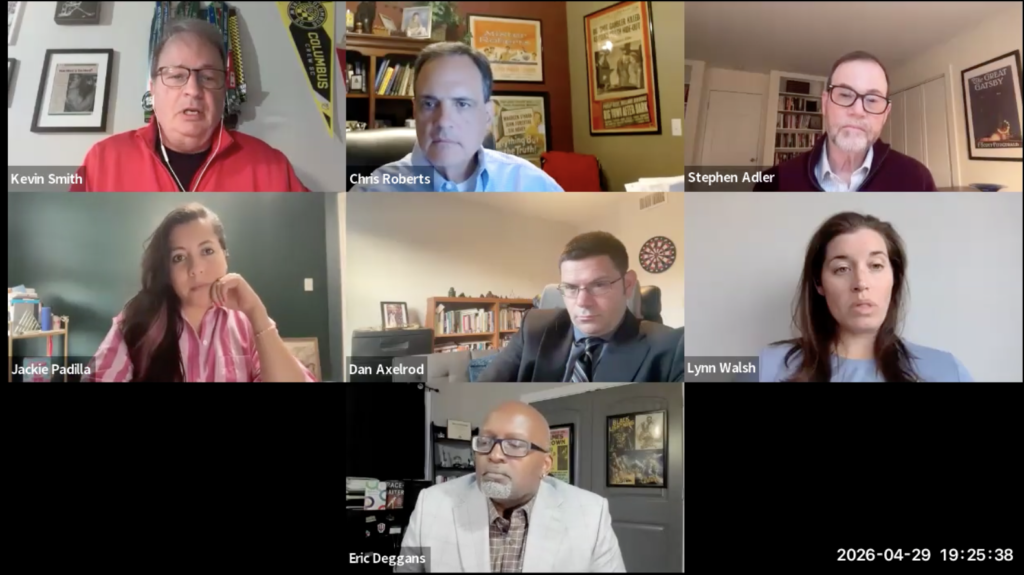
Seven of the journalists working on potential revisions to the Society of Professional Journalists’ Code of Ethics talked publicly about the process in late April. Some of their concerns may surprise you.
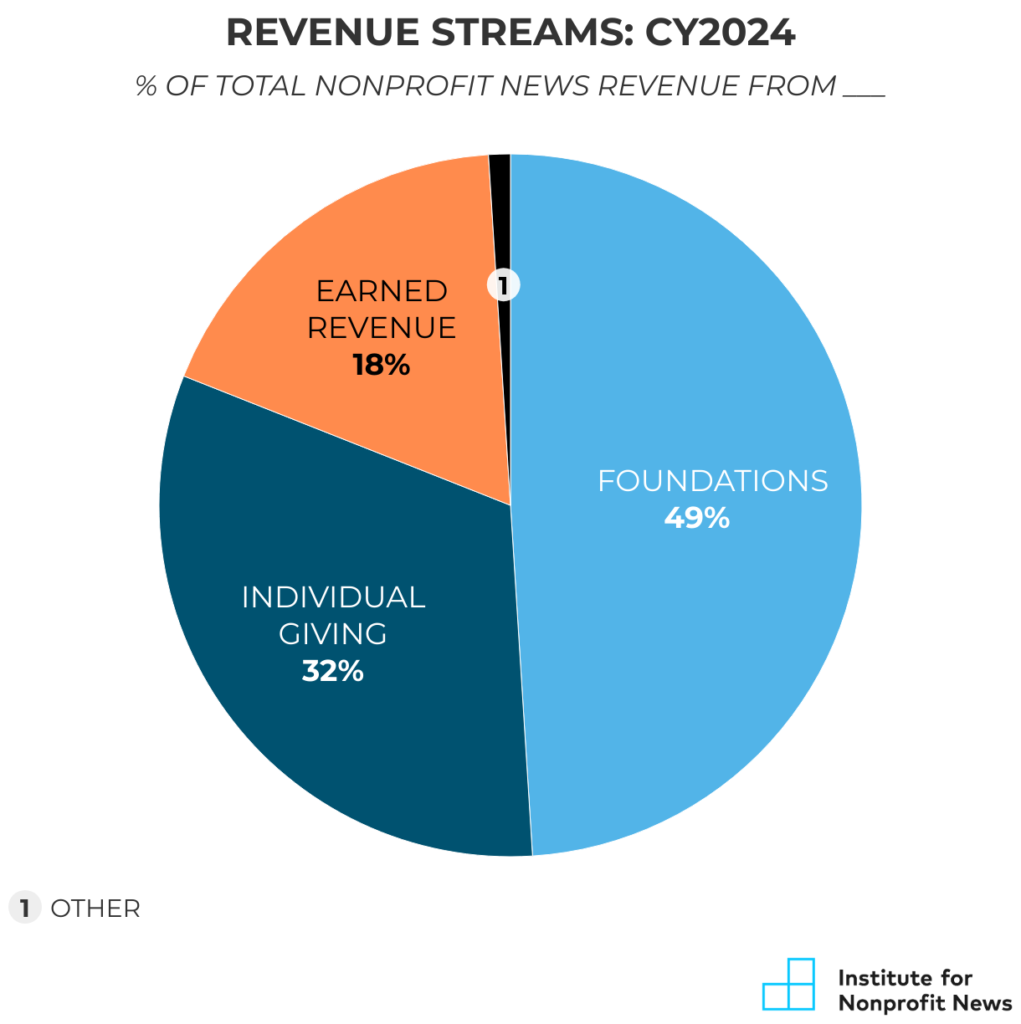
What should reporters and editors do when a philanthropic funder starts applying pressure on them to cover, or not to cover, a particular story in which the funder has an interest? Or when the funder complains to the publisher or editor about the direction of a story in progress?
A framework for newsrooms to use AI in ways that don’t sacrifice quality or lessen oversight.
Should a journalist stay or leave when newsroom management appears to be making editorial decisions for political, financial, or other non-journalistic reasons? The question has arisen dramatically at CBS’s 60 Minutes, of course, but also in recent years at The Washington Post and the Los Angeles Times, among others. Just last week, tech journalist Kara […]
Featured Resource:
Ethical journalists have embraced the principle of minimizing harm to vulnerable sources. Do those rules apply when a public figure is involved?
DECODED
Breaking down the ethics codes and guidelines shaping newsrooms across the industry.
Temple University's Yvonne Latty, The Marshall Project's Beth Schwartzapfel, and veteran crime reporter Graham Rayman discuss why lurid, tabloid-style reporting on individual crimes ultimately does not serve news audiences well.
Should a journalist stay or leave when newsroom management appears to be making editorial decisions for political, financial, or other non-journalistic reasons? The question has arisen dramatically at CBS’s 60 Minutes, of course, but also in recent years at The Washington Post and the Los Angeles Times, among others. Just last week, tech journalist Kara […]
Featured Resource:
Ethical journalists have embraced the principle of minimizing harm to vulnerable sources. Do those rules apply when a public figure is involved?
What we might learn from all those predictions of $150 per barrel.
Seven of the journalists working on potential revisions to the Society of Professional Journalists’ Code of Ethics talked publicly about the process in late April. Some of their concerns may surprise you.
What should reporters and editors do when a philanthropic funder starts applying pressure on them to cover, or not to cover, a particular story in which the funder has an interest? Or when the funder complains to the publisher or editor about the direction of a story in progress?
A framework for newsrooms to use AI in ways that don’t sacrifice quality or lessen oversight.
DECODED
Breaking down the ethics codes and guidelines shaping newsrooms across the industry.
Temple University's Yvonne Latty, The Marshall Project's Beth Schwartzapfel, and veteran crime reporter Graham Rayman discuss why lurid, tabloid-style reporting on individual crimes ultimately does not serve news audiences well.
THE ETHICS DIGEST
Pointing you toward the latest news stories and initiatives that place ethics at the forefront.
RESOURCES ARCHIVE
Looking for more information on AI usage for your pitches and essays? Want to know more about how the biggest publications treat ethics in their newsrooms? We compile all of these sources (and more) in our resources library.
UPCOMING EVENTS
New programming scheduled for the upcoming season.
Check back soon for updates.
Journalistic ethical standards that form the profession’s foundation.
Ethical implications and challenges that arise from evolving technology.
Ethical reporting on diverse communities and building ethical structures within newsrooms.
Ethics, journalism and the democratic process in an increasingly polarized world.
THE LATEST
The latest in ethics news and original commentary.
What we might learn from all those predictions of $150 per barrel.
Should a journalist stay or leave when newsroom management appears to be making editorial decisions for political, financial, or other non-journalistic reasons? The question has arisen dramatically at CBS’s 60 Minutes, of course, but also in recent years at The Washington Post and the Los Angeles Times, among others. Just last week, tech journalist Kara […]
What should reporters and editors do when a philanthropic funder starts applying pressure on them to cover, or not to cover, a particular story in which the funder has an interest? Or when the funder complains to the publisher or editor about the direction of a story in progress?
Seven of the journalists working on potential revisions to the Society of Professional Journalists’ Code of Ethics talked publicly about the process in late April. Some of their concerns may surprise you.
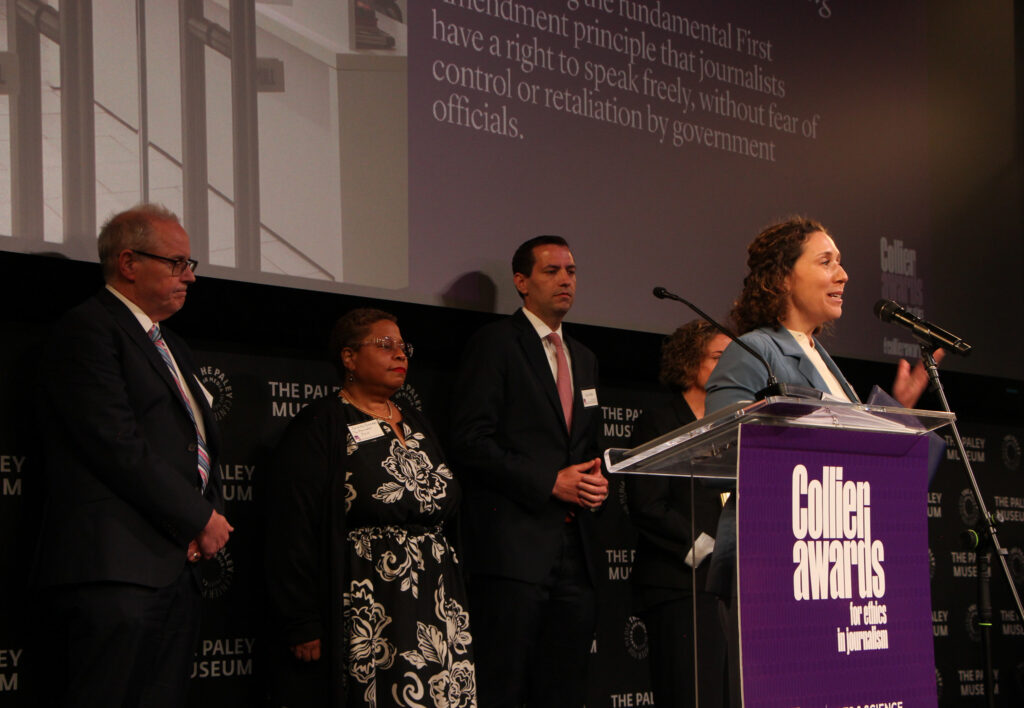
From student editors to veteran reporters, Collier Award winners offered a master class in journalism done right
Awardees recognized in ceremony featuring Marty Baron, Dean Baquet, and more.
Keynote address of the Peter F. Collier Awards for Ethics in Journalism, April 15, 2026 delivered by Marty Baron, acclaimed former executive editor of The Washington Post and The Boston Globe.
Temple University's Yvonne Latty, The Marshall Project's Beth Schwartzapfel, and veteran crime reporter Graham Rayman discuss why lurid, tabloid-style reporting on individual crimes ultimately does not serve news audiences well.
A framework for newsrooms to use AI in ways that don’t sacrifice quality or lessen oversight.
Awardees named in student, local, and national/international categories, with first, second, and third prizes announced at Paley Center event on April 15, 2026