

One of the most talked-about ethical issues of the past few years has been the apparent proliferation of “editorial interference” in newsroom decisionmaking. I say “apparent” because there isn’t much clarity around what constitutes “interference” as opposed to “just tough editing.”
To detect actual interference, it helps to define it, so here’s my attempt:
Editorial interference occurs when a manager influences news decisions in order to:
- suppress the facts;
- distort the truth;
- introduce bias;
- expose anonymous sources; or
- protect politicians, business associates, or friends.
Let’s apply that definition:
Is it ever editorial interference if criticism or opposition to a story comes from the editor-in-chief or another top editor rather than from an owner or publisher?
It certainly can be, but it must meet certain criteria.
Challenging, critiquing, and troubleshooting is, of course, an editor’s job, even if reporters don’t often like it. An editor who automatically accepts a story at face value is not a good editor. I was a reporter for more than a decade before I became an editor, and the best editors who vetted my work and that of my colleagues were always the toughest. When they said a story wasn’t ready for publication, they were invariably right – from a fairness, accuracy, clarity, sourcing, or legal standpoint.
Reporters sometimes complain that their editors are not simply raising legitimate criticisms but are acting from fear of repercussions or pressure from above. But these allegations must be scrutinized and not immediately taken as truth. In my experience with editors at five publications over 40 years, this is seldom the case. Therefore, I tend to look skeptically at allegations of inappropriate interference by top editors at reputable publications unless the evidence is unequivocal.
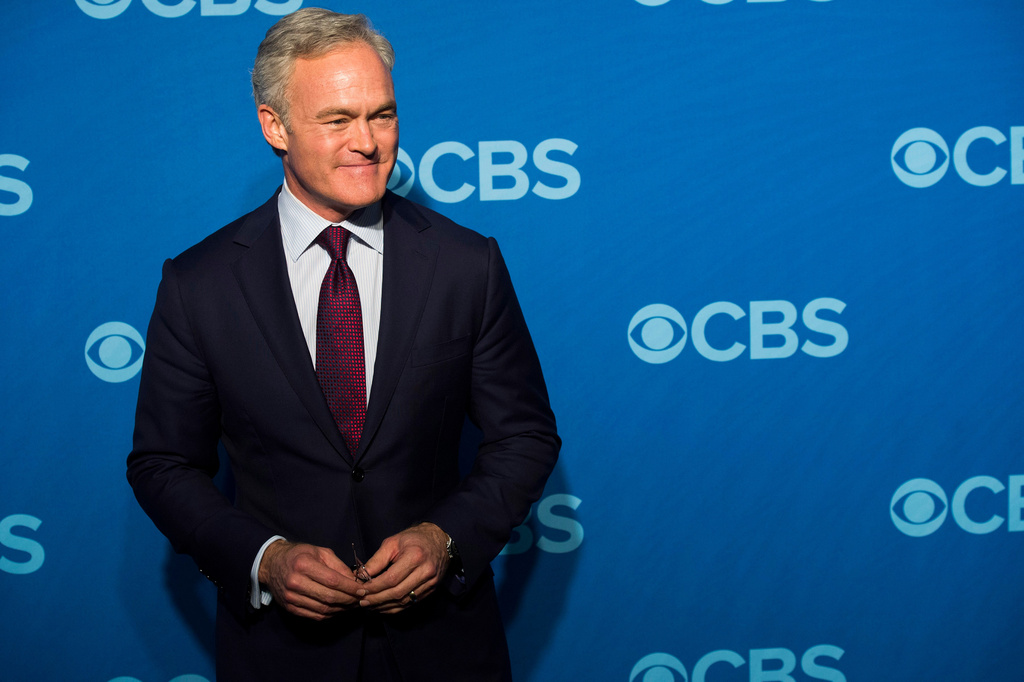
Which brings us to CBS: What of the highly publicized allegations of interference against Paramount Skydance-appointed Editor-in-Chief Bari Weiss?. Top reporters and producers at “60 Minutes” have accused her and her top lieutenants of attempting to introduce conservative and pro-Israel political views into stories and story angles. Scott Pelley, the renowned “60 Minutes” correspondent who was fired after sharply challenging CBS News’s leadership at a staff meeting in June, recently said this: “We had corporate imperatives and political bias reaching right into our scripts… And once that’s started, the broadcast loses its independence, it loses its credibility, and then at that point, it loses its audience.”
Weiss and CBS have pushed back hard, saying Weiss is merely using her editorial judgment to make stories better and that people should, in her words, “Judge us by the work. Judge us by the journalism that we are producing.” And much of that work since she took over last year has been hard-hitting and, even at times, harshly critical of the Trump administration.
Where you come down on whether she is inappropriately interfering or just plain editing probably depends on whom you trust more to recognize editorial interference as I’ve defined it: long-time CBS News executives and producers who have left in connection with Weiss’s involvement in their stories? Current staffers who now think twice about certain stories or angles? Or CBS and Weiss herself?
Though Weiss’s politics may have made Pelley’s firing news in itself, charges of interference can come from either end of the political spectrum. Consider that many mainstream editors seriously erred by steering away from two of the biggest stories of the past decade that didn’t fit with progressive mindsets: that President Biden was declining in mental acuity during 2023 and 2024 and that the COVID pandemic – as some in the Trump administration were claiming – might actually have stemmed from a leak in a research lab in Wuhan.
Is it editorial interference if a publisher or owner influences the publication’s editorial-opinion policy?
The most obvious recent examples are the decisions by Will Lewis, publisher of the Jeff-Bezos owned Washington Post, and Patrick Soon-Shiong, billionaire owner of The Los Angeles Times, to pull endorsements of Kamala Harris in 2024 shortly before publication. These decisions came in for extraordinary criticism and sparked thousands of cancelled subscriptions at both outlets: Guardian media columnist Margaret Sullivan called the decisions “an appalling display of cowardice and a dereliction of their public duty” and former Post executive editor Marty Baron denounced the Post’s decision as “disturbing spinelessness at an institution famed for courage.”
I wholeheartedly agree with these assessments, but I don’t believe they should be considered “editorial interference.” The simple reason is that owners and publishers have traditionally had the right and privilege of determining a publication’s editorial opinion while, one hopes, protecting the independence of its news department. (This is why for years The Wall Street Journal was famously referred to as two papers for the price of one.) In an October interview with Oliver Darcy, current Washington Post Executive Editor Matt Murray said this: “I would emphasize there is zero ‘“meddling’” from Jeff [Bezos] on the news report.” I hear the same from others on the Post’s news staff.
Is it editorial interference if a publisher or owner influences or threatens to influence news decisionmaking?
Yes, of course, and it is especially difficult to resist, as I discuss further here. Such interference may manifest itself through warnings that the publication will suffer economic damage if a particular story appears; with requests to report favorably – or not unfavorably – on a donor, sponsor, or political leader the owner seeks to please; or with demands that news stories fit an owner’s economic, cultural, or political views. This kind of interference breaches trust between the owner and the staff and, even more importantly, between the publication and its audience.
Recent allegations of this sort of interference have been made by staffers at Christianity Today, where more than half the 79-person team—including an editor-in-chief and four of the company’s longest-tenured journalists—have resigned or been laid off in the past 12 months. (Its new president, Nicole Martin, has responded that, “any narrative that asserts that changes are being made as the result of pressure from board members, donors, or advertisers is untrue.”) Editorial independence, in this case from Defense Department control, was also starkly at issue last summer in the firing of Erik Slavin, editor-in-chief of the previously independent Stars and Stripes.
Whether you can resist will depend on the power dynamic, how egregious you consider the offense, whether you can risk losing your job, and whether others on the staff are willing to back you up. When I was a 22-year-old reporter, an editor told me that I couldn’t cover a story involving a county fair authority because the owner had an interest in the matter. Much later, when I was an editor, a publisher told me we would lose $1 million in advertising if we ran a particular story and that the revenue shortfall would come out of the news budget. In the first case, I folded immediately; in the second case, when I was a seasoned editor, I hung tough and published the piece.
In all these circumstances, I believe we would benefit from greater clarity and broader agreement on what editorial interference actually is, and is not. I hope people will consult the definition I’ve proposed to help guide internal conversations on the topic. And if you have a stronger, more useful definition, I hope you will share it at ryan.howzell@nyu.edu and we will try to publish all reasonable alternatives.
Editor’s note: I deployed Google Gemini to assist in researching this topic. I didn’t use AI in either writing or editing the article. I traced factual statements or quotes back to the original sources.